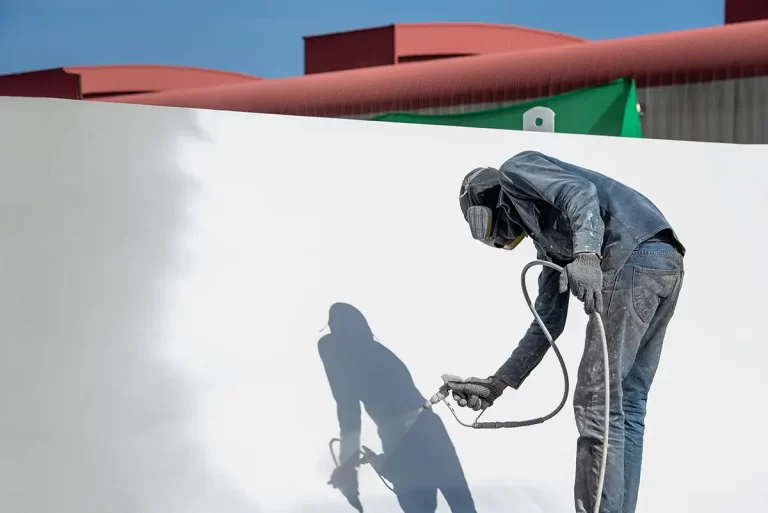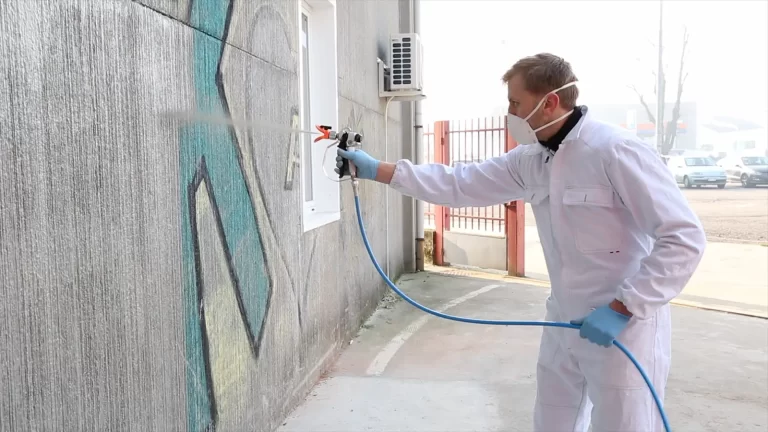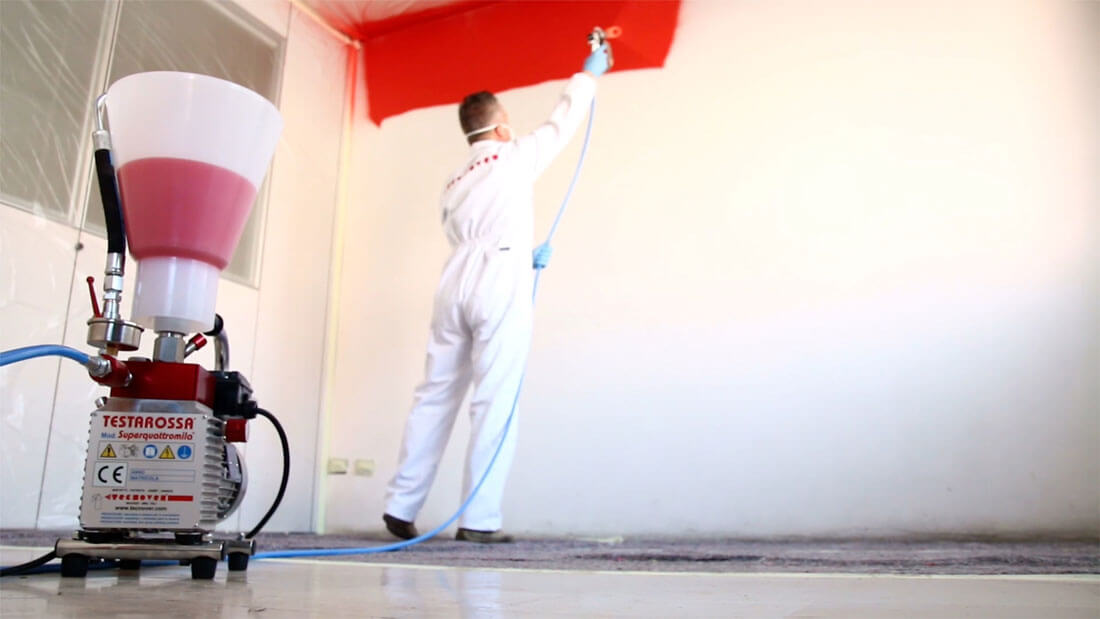
Spray painting is today one of the most widely used techniques across many sectors – from construction to steelwork, from the marine industry to manufacturing – thanks to its ability to deliver fast, uniform, superior-quality applications compared with traditional methods. With the right equipment, sound technique and correctly selected accessories, you can cover large surfaces in a short time, easily reach corners and complex details, and consistently achieve professional results.
However, the widespread adoption of this technology does not rule out mistakes which, if overlooked, compromise the final result. Overspray, runs, wrong tip selection, uncalibrated pressure or poor surface preparation are just some of the most frequent problems. Beyond affecting the appearance and durability of the paintwork, these errors cause material waste, extra costs and longer working times.
That is why the first step is to rely on professional tools such as Tecnover airless pumps, designed to minimise the chance of error, optimise consumption and guarantee excellent results in every application.
Overspray: the number one enemy
Among the most common spray painting mistakes is undoubtedly overspray. The term refers to the amount of paint that, instead of landing on the surface being treated, disperses into the air as a fine mist. Beyond reducing work efficiency, this mist inevitably means wasted material, higher operating costs and longer working times due to the need for touch-ups or repeat passes.
It should be noted that overspray is typical of traditional compressed-air spray systems – not of the more advanced airless systems. In compressed-air setups, air pushes the paint through the nozzle, creating poorly controlled atomisation in which many particles never reach the surface and instead disperse into the surrounding environment. Beyond the economic damage, this phenomenon increases the environmental impact of painting and the health risks for operators, who may inadvertently inhale solvents or potentially harmful substances.
Tecnover airless technology offers a concrete answer to these problems, because the material is sprayed at high pressure without compressed air: atomisation is achieved by the pump’s hydraulic force alone. In this way, overspray is eliminated and the paint is deposited evenly on the surface. The result is twofold: greater efficiency (more product where it’s needed, less waste) and a safer, cleaner, healthier working environment.
Relying on professional airless pumps designed and manufactured by Tecnover therefore means eliminating one of the main enemies of spray painting and achieving superior quality results – with significant savings in time and material.
Choosing the right tips and adjusting the pressure
Another common spray painting mistake concerns tip selection and pressure adjustment. Using tips that are too large results in excess product and possible runs; conversely, a tip that is too small may prevent proper coverage and produce an irregular spray. Similarly, poorly calibrated pressure can compromise quality: too high, and you increase the risk of bounce-back atomisation caused by the material’s violent impact on the surface; too low, and it affects the uniformity of the atomisation.
To avoid these problems, always match the tip type to the paint being used and the surface being treated. For example, enamels and light coatings on wood or metal require tips with smaller orifices, while wall paints or fillers need larger openings to guarantee a constant, uniform flow of product. A practical tip: always run a preliminary test on a small area to check your settings before starting the actual job.
Tecnover airless pumps, together with original accessories such as dedicated tips and filters, deliver maximum control over spray and pressure, ensuring precision, consistent quality and less waste.
Surface preparation and spraying technique
A good paint job always starts with preparation. Dirty, greasy or dusty surfaces compromise paint adhesion and shorten the life of the treatment. It is therefore essential to clean and degrease the substrate thoroughly before starting, removing old paint residues, stains and impurities. Ambient conditions also play an important role: temperature and humidity must fall within the values recommended by the paint manufacturer to ensure proper drying.
During application, spraying technique makes the difference. The gun should be held at a constant distance of around 25–30 cm from the surface, and its movement should be straight and at a uniform speed. Swinging the gun, moving too fast or too slow are among the most common errors: the first risks leaving bare patches, the others cause runs and material build-up.
For optimal results, it is also important that the equipment is in perfect condition. A well-maintained pump, with clean tips and regularly checked filters, guarantees a constant flow and minimises surprises during the job. This produces smooth, uniform, defect-free surfaces, reducing the need for subsequent touch-ups.
Equipment maintenance and care
The quality of a paint job therefore depends not only on technique, but also on the condition of the equipment. A neglected airless pump can lead to pressure drops, irregular spraying or blockages that compromise the result and increase running costs. As covered in other articles on our blog, maintenance is the key to preserving high performance and guaranteeing operational continuity.
The first step is immediate cleaning after every use: removing paint residues prevents encrustation in the lines, tips and filters. It is good practice to dismantle the gun and tips, rinse them with water or a compatible thinner (depending on the product used) and check that the flow is completely clear. Special attention should go to the tips, which are subject to constant wear: they should be replaced when they show signs of wear that alter the shape of the spray pattern. Similarly, seals and valves must be checked regularly to prevent leaks and pressure drops.
Mistakes to avoid also include the use of aggressive, incompatible solvents, which can damage internal components. All in all, careful maintenance ensures spray uniformity, reduces the risk of sudden breakdowns and lets you work with greater safety and efficiency.
Technology and solutions for better work: the role of airless pumps
Airless pumps are today the benchmark for anyone seeking efficiency, uniformity and reduced waste in spray painting. Thanks to high-pressure spraying without compressed air, these machines deliver impeccable finishes with shorter application times and optimised consumption. The near-total absence of overspray, combined with a precise, constant spray, allows you to work faster and keep environmental impact to a minimum.
Drawing on more than forty years of experience in the sector, Tecnover has developed solutions to meet the most diverse needs: the Testarossa series delivers high flow rates and pressures of up to 250 bar, ideal for construction sites, large surfaces or complex industrial applications; the new Revolver range, with its spray fan rotatable through 90° via innovative magnet technology, offers instant spray control, reducing fatigue and downtime during work.
These technologies show how innovation translates into concrete advantages for professionals: more versatile applications (from construction to steelwork, from marine to industrial finishing), less material waste, greater comfort and high operational safety.
Finally, it is worth remembering that Tecnover airless pumps also stand out for their sustainable footprint: made in Italy from recyclable materials and engineered for long service life, they are a responsible investment that combines performance with respect for the environment.
Contact our experts to choose the solution best suited to your project.